No-glow vs low-glow vs white flash

WOSPORTS 4K No-Glow Trail Camera
$39.99 listed price, changes often| Flash | Wavelength | Visible? | Night range | Night photo | Best for |
|---|---|---|---|---|---|
| No-glow | 940 nm | Invisible to people and to most game | Shorter, often 50-80 ft | Darker, grainier at the edges | Security, pressured deer, theft-prone spots |
| Low-glow | 850 nm | Faint red glow if you look straight at it | Longer, often 80-100+ ft | Brighter, sharper night photos | Scouting open fields, food plots, wildlife |
| White flash | Visible light | Obvious to everything | Varies, color photos | Color night photos | ID photos where spooking does not matter |
Night ranges are typical of current cameras; check each model's flash range on its listing. Many newer cameras let you switch between no-glow and low-glow.
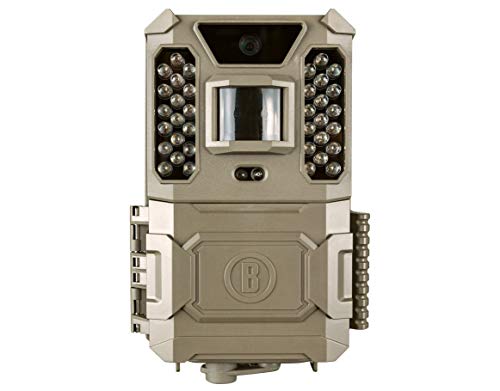
No-glow and low-glow cameras


Frequently asked questions
How were these figures produced?
Plan prices come from each brand's published plan list (a 2026 snapshot, confirm in the app). Geometry follows the standard coverage formula. File sizes and battery life are engineering estimates from typical trail camera file sizes and energy per trigger, labelled as estimates; real cameras vary by model and conditions.
Researched from published specifications, brand plan lists and verified owner reviews; we do not claim hands-on testing. General information, not professional, legal or security advice. Trail camera rules differ by state: some restrict transmitting cameras during hunting seasons or on public land, so check your state wildlife agency. Recording and audio laws vary; only record where you have the right to.